
Data Management System
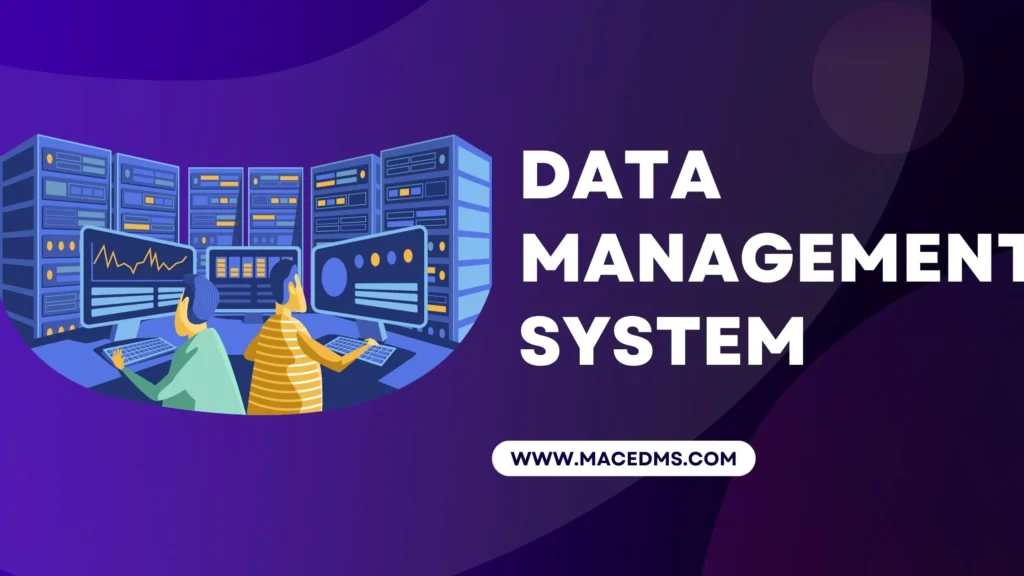
Data Management System In Today’s time every organisation requires a good Data Management System. A good solution system provides an efficient path to manage data and information without worry about security. They are usually built on database platforms such as data warehouses and data analytics. Such systems are used to store, review and run queries on data assigned. The main benefit of such a Database Management System is that it allows data to get manipulated or extracted by its users or other important programs. This designated benefit also ensures data security and integrity by properly following the administrative procedure. Such softwares helps in completing lengthy work without any human intervention. They are known for optimising the data and reducing the attributable value of large tables. These are mainly used for hierarchical, relational, object oriented and network based data handling. The data is always termed as a corporate asset because it is used to make more informed business decisions and allows you to optimise the business operations skillfully. Every business has the goal of increasing revenues and profits thus proper data management is important to analyse the scope of improvements and reduce cost to its minimal self. A problem in the data quality can affect the ability of business intelligence and analytics application by leading it to faulty findings. There is a vast increase in the regulatory compliance requirements for data handling in today’s business world which makes it important to analyse the data privacy and protection laws to capture a large volume of data systems that are being deployed. There are a variety of combinations of different functions that a business needs to perform to ensure accurate corporate systems. Thus a good data management system enables you to work for the required need and get everything lined up with the policies governing its accurate uses. The main activities of data management:A good data management performs various activities to enable efficient decision making processes. 1) Collection : To create an equipped data handling documentation one must store historical, transactional, market and feed data with appropriate input. This process is referred to as onboarding collection and is proactively settling the tools for managing data. 2) Organising : After collecting the data one must ensure to settle it in an appropriate sequence. This helps in finding the apt information whenever needed. Systematic handling allows you to manage data without hindrances and obstacles. 3) Protection : Security is a key essential of a proper data management system. One must make sure to establish a secure and in accordance with privacy policy data storage. This helps to keep data secured and eliminate the risk of manhandling. 4) Storing : To monitor the proper workflow one must store data at an adequate location and create a timely presence for proper data integration. It is essential to know all the data backup locations and preservation methods for accessing the data in times of urgency or need. There are a variety of storage locations that one can consider as per their requirements ranging from file manager to floppy discs.5) Sharing Information : With proper optimization of data it is important to share data to various other sectors for their efficient and accurate working. There are various sectors that work in sync with each other and thus require transmission of data. Types of Data Management System: There is a wide series of steps required to perform data processing and format data by using operation and analytical tools. Database administration is an imperial part of data management function and is a common platform to hold the collected corporate data. One can organise, update and manage the operational data from the consolidated sets stored in the business system. There are various key parts and Types of The Data Management Process that handles all the aspects of customer first marketing and data first marketing. 1) Customer Relationship Management System : This type of data management system holds all the customer related data such as personal data, sales conversion data, revenue data, sales opportunities and various subscription renewals together. This function is mainly used by the sales team to keep all the contacts and leads for several sales and marketing activities. It is mainly customer focused data that lets businesses understand the customers interest and behaviour trends easily.2) Data Warehouse System : Data warehouse system is a source of health for various data requirement sections such as operational platform, marketing and sales system, purchase system and the financial storage application system. It helps in providing a usable version with appropriate and concise data for different systems. It mainly stores data regarding product satisfaction and usage with correspondence to its maintenance. It is mainly done with the help of marketers to discover how the customers are using the product, whether they are satisfied with the same or there are some relevant issues. It is a leading force for sales and marketing functions. 3) Analytics Tool : Sales professionals and marketers use analytical tools to interpret data and understand the insights about business speculations. The main activities performed by sales professionals are reporting, data visualisation, business intelligence and data accumulation formation. Analytic tools are also important for generating generic customer trends and creating proper advertising campaigns. With the help of performance insights gathered professionals can set up new data based specific metrics to attribute the marketing function. 4) Marketing Technology Systems : With customer relationship management systems there is a marketing technology used for integration and sync. Email service providers and marketing automation platforms help in various advertising technologies and are referred to as marketing operations. Such technology systems allow marketers to cross reference their customer complaints with the data received from comprehensive customer details. Such technology systems help in generating proper customer engagements with data accessible wide spectrum insights. 5) Account Based Marketing : Such business operation systems help in optimising the customer experiences based upon the data extracted. They result to be useful in improved market campaigns and help in implementing configuration